

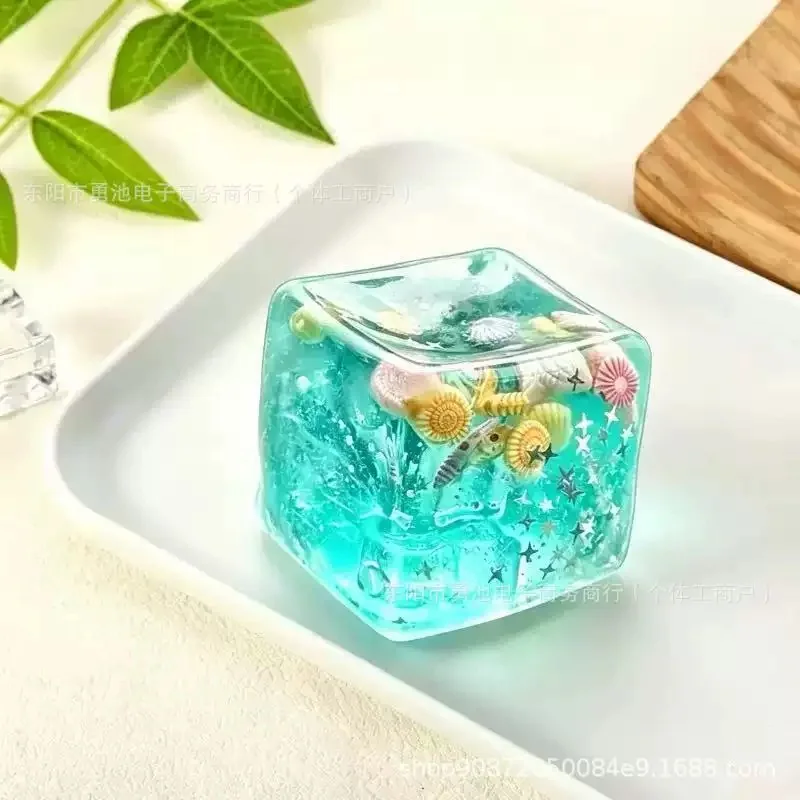
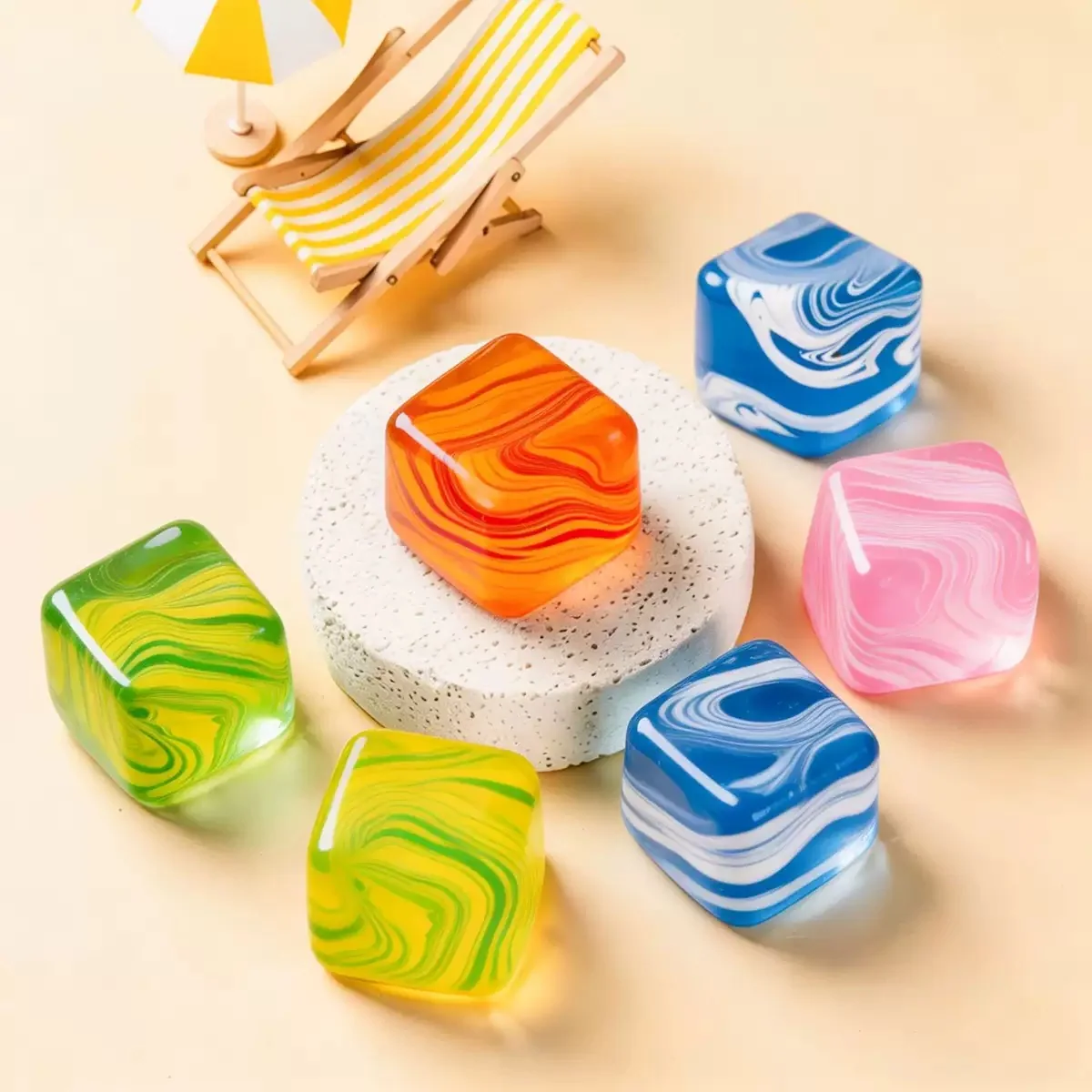
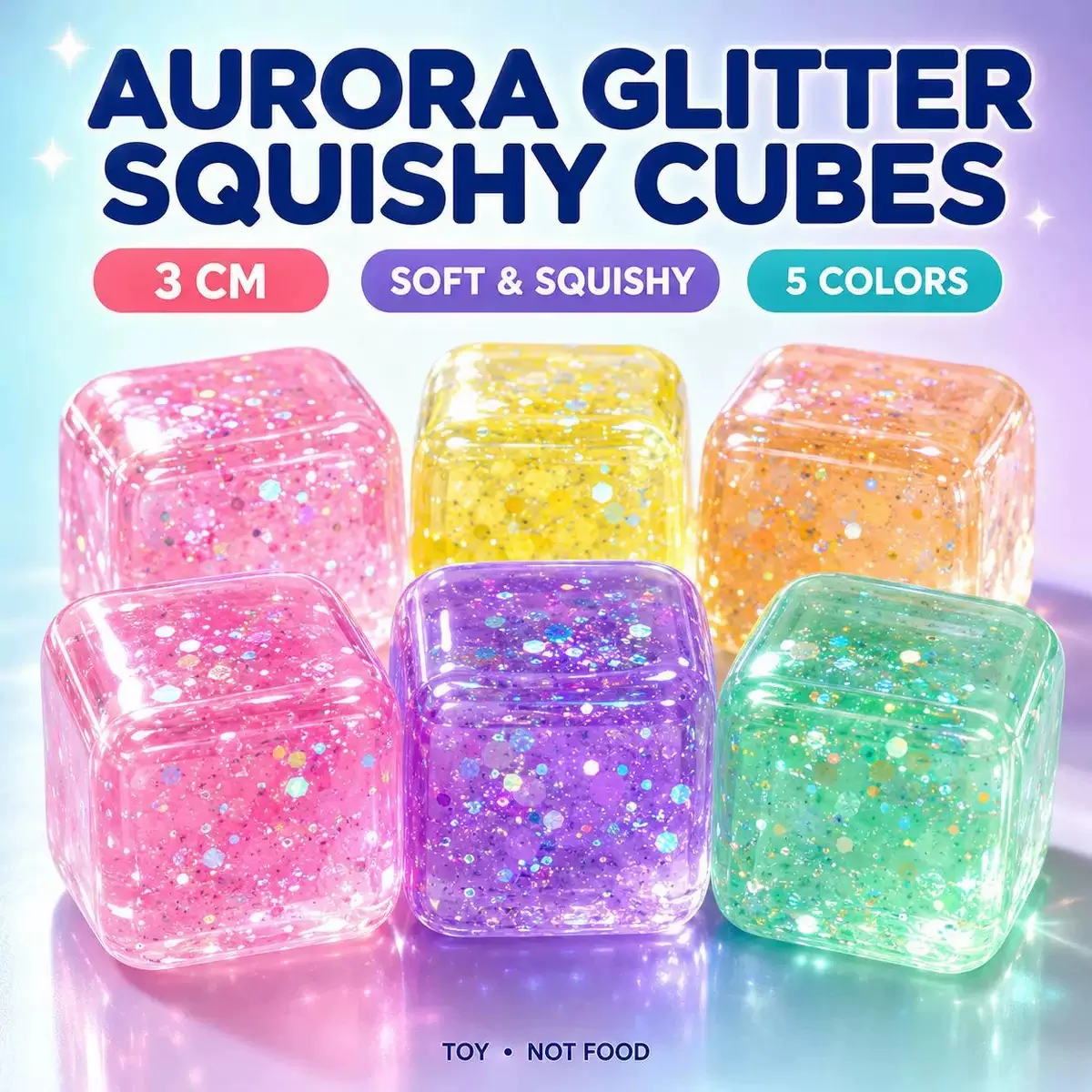
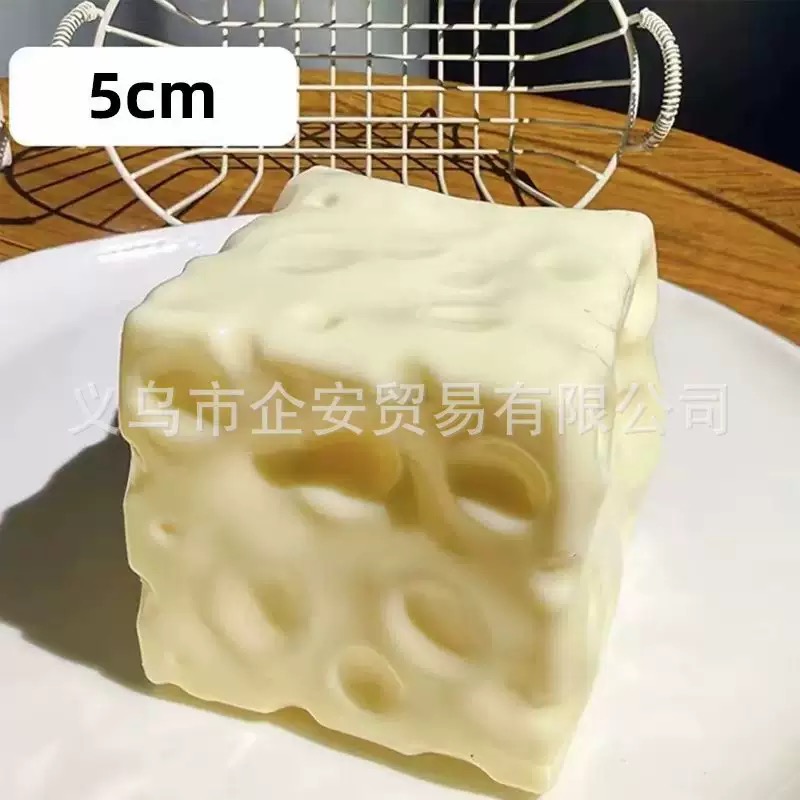
A slow rising squishy made from soft polyurethane foam feels light, spongy, and cushiony in hand. It flattens under finger pressure and expands back in stages. By contrast, dough-filled, sugar or maltose, and gel-filled toys feel heavier, firmer, or more fluid inside flexible skins. For desk work, the 5 cm Cream Cheese Squishy at $14.99 suits fingertip pinching better than a large stress ball. Damp spot-wiping keeps surfaces clean without soaking or heating.
What Makes a Slow Rising Squishy Feel Different from Gel, Sugar, and Dough?
Interior construction separates a slow rising squishy from gel, dough, and sugar styles right away. According to the Happily NZ squishy feel guide, foam pieces flatten under pressure and recover in stages with an airy feel. Painted coats also feel smoother than bare foam underneath. By contrast, dough-filled toys feel sturdy and pliable, closer to kneading thick bread dough. Meanwhile, sugar or maltose cores shift at a dense, syrupy pace, while gel-filled models feel slick and jiggly.
In practice, retail feel names overlap across brands, so matching labels can still squeeze with distinct resistance. In an r/NoStupidQuestions thread on squishy materials, one buyer compared a cheap bread-shaped wrinkled foam piece against a gel cube and found the light foam rebounded faster than expected. Checking interior build works better than trusting storefront labels. Oil-based models even stay flat until you reshape them by hand.
| Squishy Category | Typical Hand Feel | Rebound Behavior | Everyday Handling Note |
|---|---|---|---|
| Slow-rising foam | Lightweight, spongy, cushiony | Flattens under pressure and expands back in stages | Pulling or twisting tears foam, and painted coats crease |
| Dough-filled | Substantial, pliable, firm | Thick core shifts as you press and knead | Overstretching can split the flexible outer skin |
| Sugar or maltose | Smooth, weighty, thick, syrupy | Dense filling moves at a measured pace | Torn skins leave a sticky mess; toys are never food |
| Gel-filled | Smooth, slick, jiggly | Fluid core yields right away to fingers | Thin outer skins need careful checks for punctures |
| Shape-retaining oil style | Soft and moldable | Holds a flat shape until reshaped by hand | Built for pressing flat instead of spring rebound |
How Does a Compact 5 cm Shape Compare to Full-Palm Sizing on a Desk?
Compact 5 cm geometry fits thumb-and-two-finger rotation beside a keyboard instead of whole-palm clenching. In an r/fidgettoys discussion about pocket-sized fidgets, one user explained why spherical stress balls felt awkward to flip or carry. They wanted a smaller multi-faced shape to pinch and twirl with three fingers. Another commenter suggested searching for slow-rise foam fidget toys across different sizes to match smaller hands.
For instance, the Cream Cheese Squishy measures 5 cm across its cream-yellow cheese block shape and sells for $14.99 USD. Rounded holes across its faces give fingertips recessed edges to trace during calls. That compact block sits beside a mouse pad without crowding your desk. By comparison, full-palm stress balls ask for a whole-hand squeeze, while the CheeseSquishy Shop lists alternate shapes.
What Seller and Material Safety Checks Matter Before Ordering Online?
Vetting seller legitimacy before checkout cuts the risk of counterfeit toys containing unregulated solvents or metals. According to Poison Control, federal safety regulators flagged 55 shipments of counterfeit squishy toys in August 2026 over lead concerns. That same brief cites a Danish review of 12 imports carrying volatile solvents like formaldehyde and toluene. Consumer Reports also tested 8 American products and found one with skin-irritating acidity.
Because counterfeit stock moves fast across third-party marketplaces, UC Davis Health recommends checking five listing details before ordering. Look for clear age labels, manufacturer or importer info, safety warnings, complete packaging, and a reputable seller. In practice, that pre-order check matters even more for food-shaped pieces like a 5 cm cheese block. Both UC Davis Health and Poison Control warn that realistic shapes create choking risks for toddlers who mouth toys.
Can You Make a Slow Rising Squishy Slow Rising Again and Keep It Durable?
Daily desk durability depends on straight finger presses and dry storage, because heat, cold, and soaking ruin foam instead of restoring rebound. According to the Happily NZ squishy guide, twisting or yanking foam tears cell walls. Sharp bending also creases painted coats over time. In addition, the Griff’s Gift Shop squishy cleaning guide notes that porous polyurethane drinks up water fast, so soaking, wringing, or hot rinsing damages the core.
Instead, dip a microfiber cloth into lukewarm water with mild fragrance-free soap and wring it out well. Blot desk dust lightly so moisture stays on the outer surface. Next, wipe away soap film with a clean damp cloth, then air-dry on a dry towel away from sun or heat. Meanwhile, Poison Control documents burn-unit injuries from frozen-and-microwaved squishies bursting with sticky hot gel. UC Davis Health warns against intentional heating, so replacing cracked foam beats thermal tricks.
Desk Buyer Inspection and Care Checklist
An arrival check and weekly wiping catch torn foam, solvent odors, and heat stress before a desk toy fails. For example, unboxing inspections and dry storage follow guidance from Poison Control, UC Davis Health, and Griff’s Gift Shop:
- Check every face for tears, punctures, leaks, loose bits, or odd color patches before desk use.
- Sniff the toy out of its package and toss any piece carrying a sharp gas-like or chemical solvent odor.
- Confirm age guidance and keep compact 5 cm food-shaped pieces out of reach of young children who mouth toys.
- Store your slow rising squishy in a breathable bag at room temperature, away from glare, heaters, and hot cars.
- Wipe frequent-use pieces weekly using lukewarm water, mild soap, and a wrung-out microfiber cloth. Dab stubborn stains with baking soda paste instead of scrubbing.
- Discard damaged toys once deep cracks, peeling chunks, or leaks appear, and wash hands after touching broken shells.
Frequently Asked Questions
Why do two soft toys with matching feel names vary so much?
Retail words like sugar, dough, and gel signal broad hand textures instead of fixed factory recipes. According to Happily NZ, sellers overlap those names across product lines. Two items sharing one label can hold distinct fillings, skin weights, or recovery speeds. In practice, checking whether a listing notes spongy rebound, thick kneading resistance, or fluid wobble predicts desk feel far better than a title.
How long should a slow rising squishy air-dry to prevent trapped odor and mold?
A freshly wiped foam toy needs open airflow on a dry towel for hours until its pores dry through. According to Griff’s Gift Shop, porous polyurethane traps internal dampness fast, inviting mold and stale smells when packed away wet. In practice, light blotting keeps liquid near the skin while dry indoor air protects foam against sunlight fading. Avoid space heaters or sunny sills during drying.
What signs mean a desk toy should be retired instead of repaired?
Retire a desk toy once you see deep splits, loose flakes, leaks, odd color patches, or a solvent smell. According to UC Davis Health, broken shells should leave play immediately and never be donated, with hands washed afterward. In practice, if heated gel from a burst toy touches skin, Poison Control advises cool running water and mild soap or mineral oil. Seek medical care for deep or facial burns.