

Not every squeeze toy is unsafe, yet buyers asking whether squishy toys toxic alerts cover desk toys need plain facts. On August 5, 2026, the U.S. Consumer Product Safety Commission (CPSC) warned that fake or noncompliant squishies can hold excess lead, banned phthalates, or risky fillings if torn. Heated gel toys can also burst and burn skin. Safe ownership rests on spotting chemical smells, sticky spots, or leaks, avoiding heat and freezers, and hand-wiping with a wrung-out lukewarm damp cloth and mild soap.
Why Are Some Squishy Toys Toxic or Hazardous?
Squishy toys trigger warnings when counterfeit or noncompliant makers skip federal toy rules or seal risky fillings inside thin shells. According to the August 5, 2026 U.S. CPSC alert, federal inspectors flagged 55 violative shipments and worked with U.S. Customs and Border Protection to stop 355,683 units at U.S. ports. In practice, low-cost squeeze toys do not automatically meet federal standards when packaging omits maker names or safety labels.
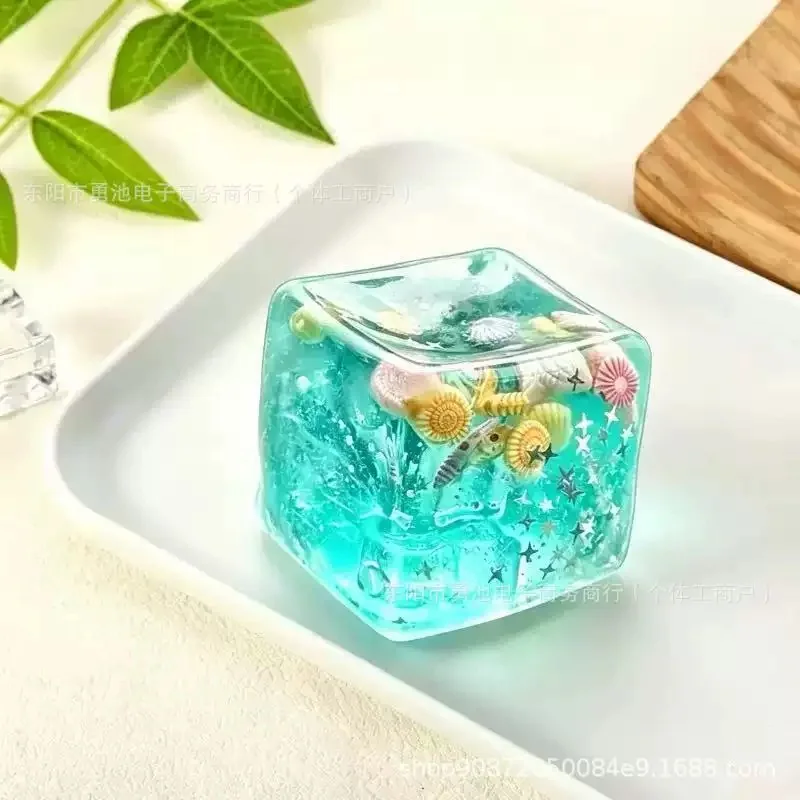
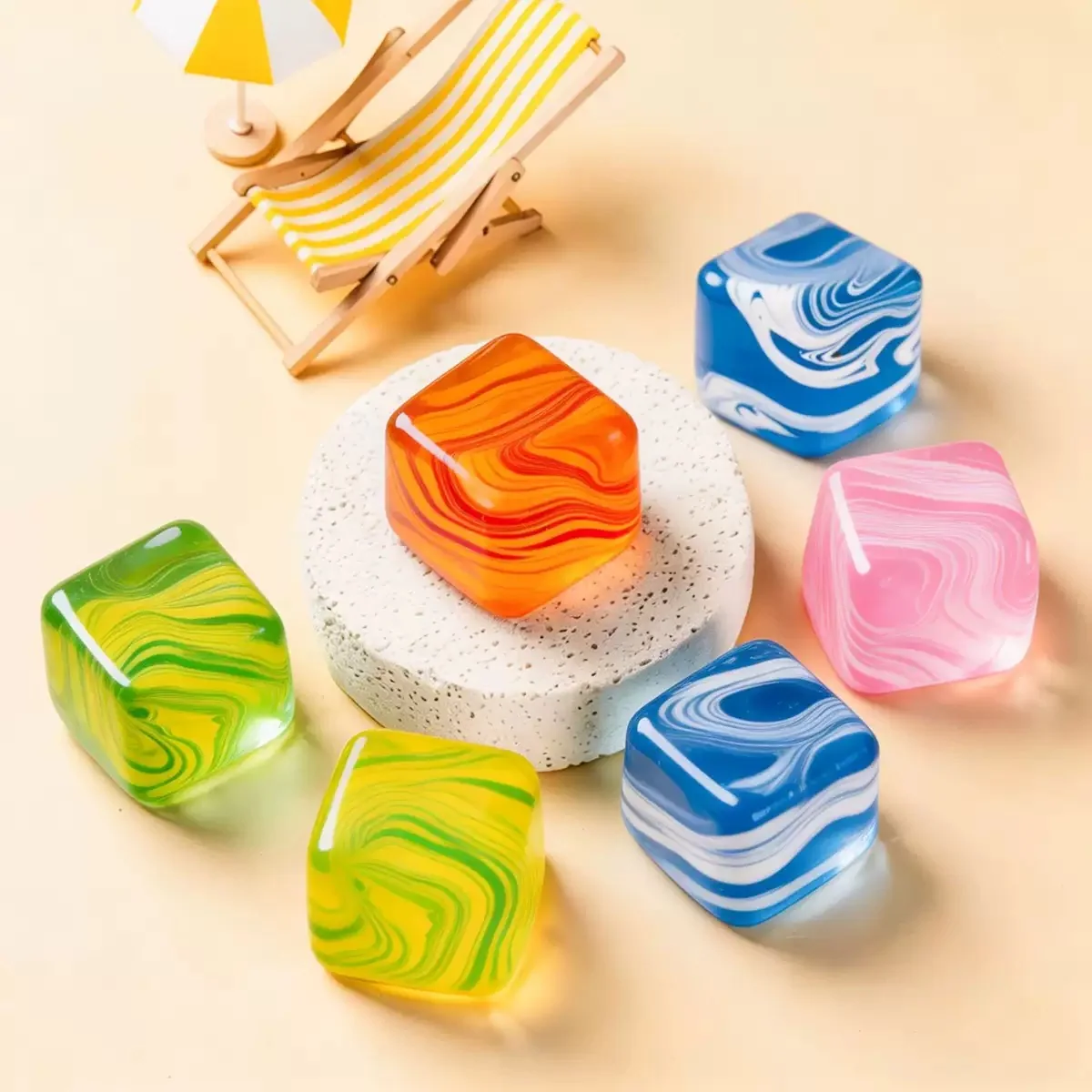
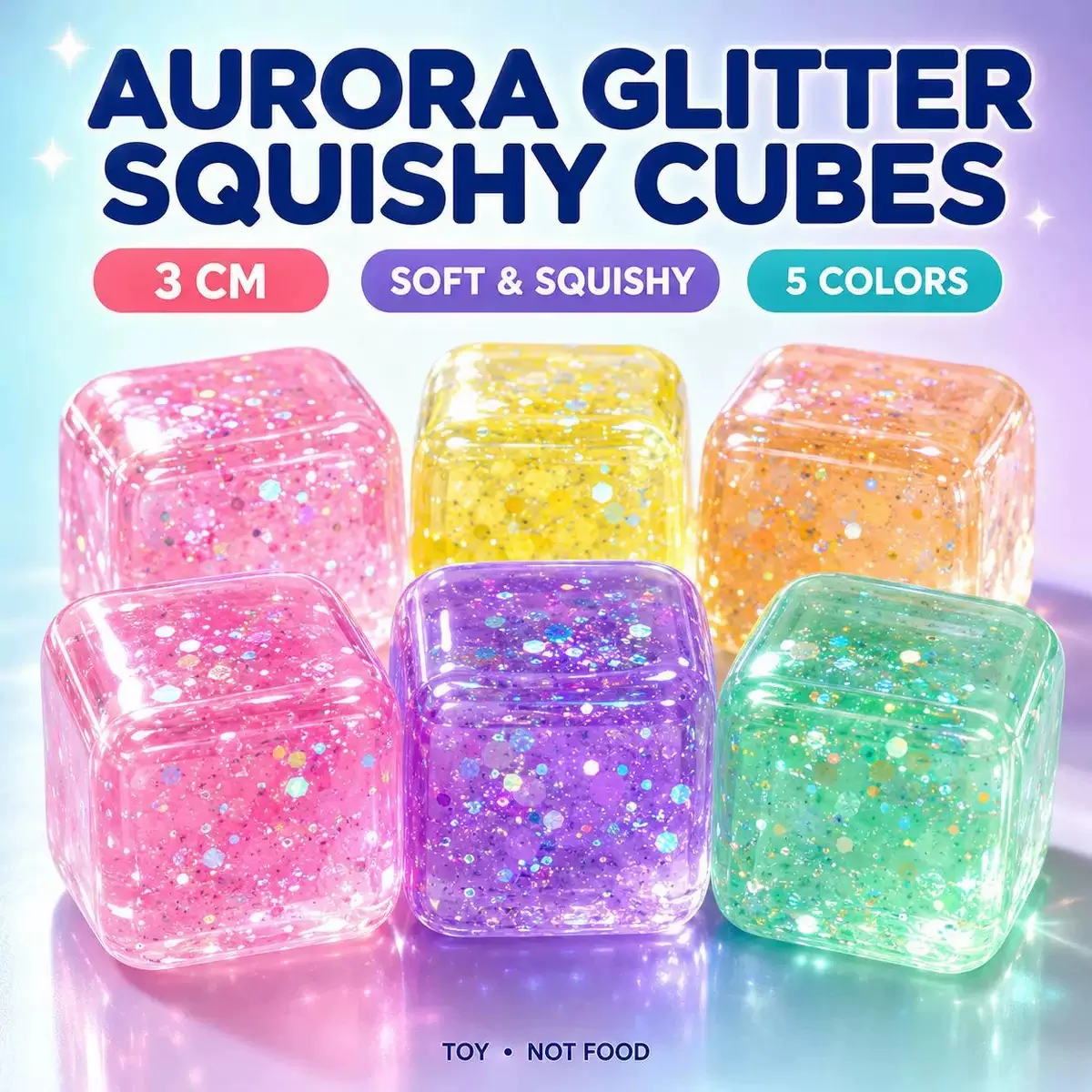
Federal notices point to two separate hazards: bad units can hold excess lead or banned phthalates, while torn shells can spill water beads, gels, liquids, powders, or sand. Meanwhile, on August 13, 2026, Consumer Reports reviewed 33 SaferProducts.gov consumer filings from January 2025 through July 2026. Those reports described skin burns, rashes, or sharp chemical smells tied to reported nausea, headaches, watery eyes, or sore throats.
How Major Retailers Fit Into Safety Reports
Familiar retail chains do not erase squishy toys toxic worries alone. In that Consumer Reports review, 13 of 25 filings naming a retailer came from major chains, including Walmart, Five Below, WinCo Foods, and Dollar General. Because shoppers submit SaferProducts.gov entries themselves, those reports are not medical diagnoses or laboratory proof. Still, they show why home checks matter wherever you shop.
| Risk Area | Documented Trigger | Source | Home Action |
|---|---|---|---|
| Chemical or fill risk | Lead, banned phthalates, water beads, gels, liquids, powders, or sand in 55 shipments (355,683 units) | U.S. CPSC (August 5, 2026) | Skip unknown makers or missing labels |
| Odor and skin filings | 33 SaferProducts.gov reports (Jan 2025 to Jul 2026); 13 of 25 cases at major chains | Consumer Reports (August 13, 2026) | Toss any toy with harsh odor or skin sting |
| Heat or cold bursts | Microwaves, hot cars, direct sun, heaters, or freezers splitting shells | U.S. CPSC and Consumer Reports | Store indoors at room temperature |
How Can You Spot Squishy Toys Toxic Warning Signs Early?
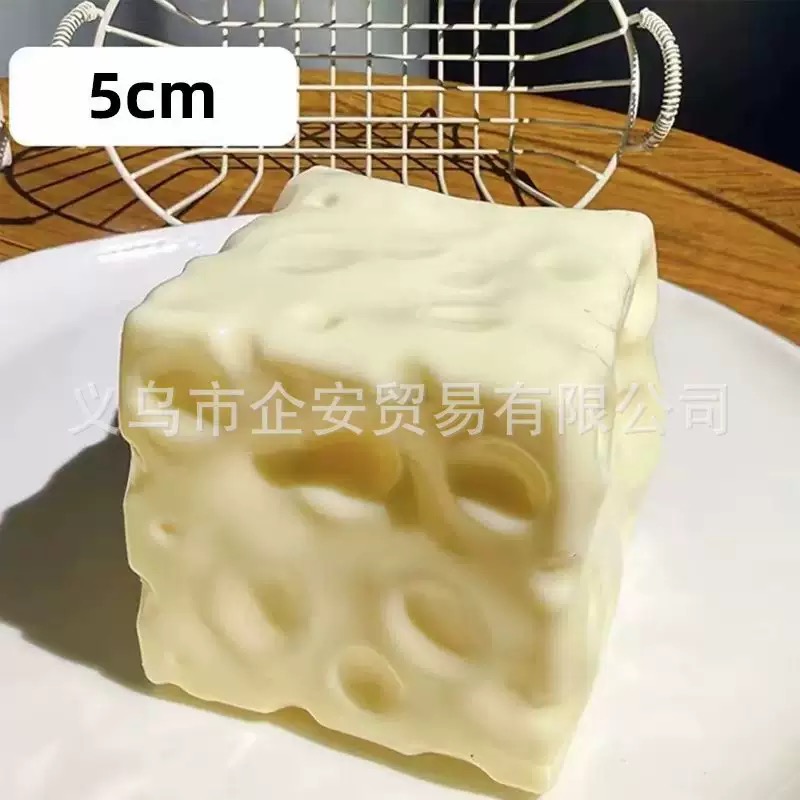
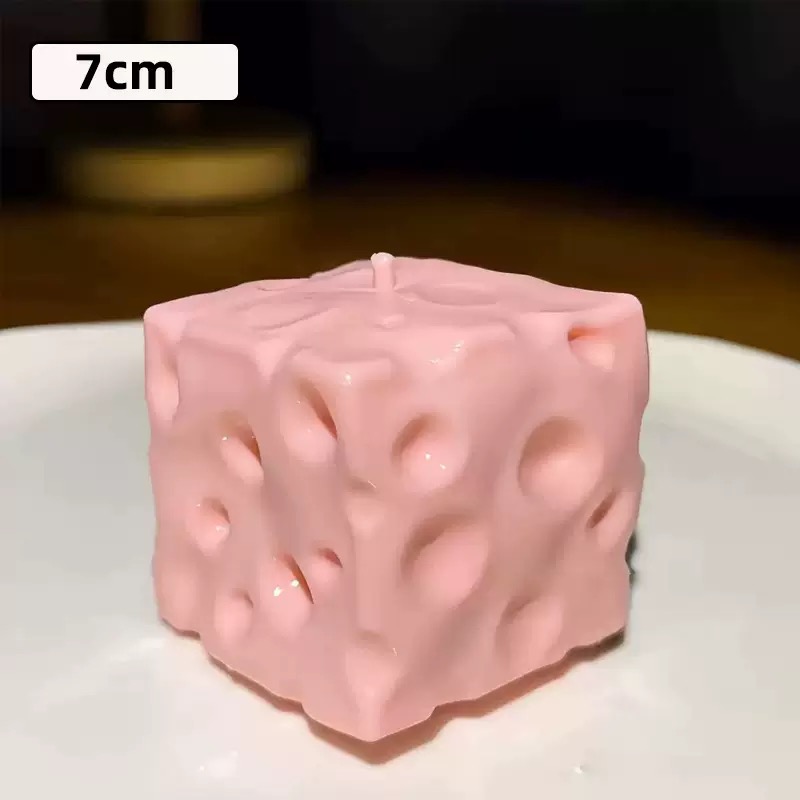
Weekly checks catch worn squeeze toys before leaks reach your hands or desk. According to U.S. CPSC guidance, stop using any squishy toy from an unknown maker or without safety info. Toss any unit with a strong chemical odor, oily or sticky film, color shifts, punctures, tears, leaks, or wear. For example, a sculpted block like the Pink Cheese Squishy (7 cm) has rounded holes whose walls should stay smooth and intact when pressed.
Parent threads show what families notice first in stores. In an r/moderatelygranolamoms thread, a shopper worried after smelling chemical fumes from dollar-store squishies while out with a 4-year-old. Commenters separated brief aisle sniffing from daily contact, while stressing that biting and choking pose the fastest harm for young kids. Likewise, Consumer Reports advises keeping gel squishies away from babies or children who might bite toys.
Run this weekly check to catch squishy toys toxic warning signs or shell wear early:
- Inspect seams, corners, and recessed holes under indoor light for pinholes, splits, or thin spots.
- Sniff from a short distance without breathing deeply, and toss any toy with a lingering chemical smell.
- Press with dry fingers and retire any piece that feels oily, sticky, or oddly soft.
- Keep squeeze toys away from babies, toddlers, and pets who chew non-food items.
- If a filled toy pops, avoid bare-skin contact, discard it right away, and wash skin with mild soap and water, or mineral oil for sticky residue as Consumer Reports advises.
Why Do Hot Cars, Microwaves, and Freezers Ruin Squishy Toys?
Heat and cold stress soft shells and shift internal pressure, turning everyday desk toys into burn or leak hazards. According to the U.S. CPSC, never microwave or warm squishy toys, and never leave them in hot cars, direct sunlight, or near heaters. Overheated filled toys can burst open and spray hot, sticky filling onto skin, causing severe burns.
Extreme cold harms shells even without heat. According to Consumer Reports, freezing squishy toys can make them split open during handling. Meanwhile, WonderBaby warns that hot water can melt or warp foam, silicone, and fabric-covered squishies during washing. In practice, indoor room-temperature storage prevents both heat bursts and cold cracks.
Car heat still catches families off guard during warm months. In an r/AmazonVine post about squishies bursting in hot cars or microwaves during a viral trend, a parent noted they had no idea about the risk after finding squishies in Easter eggs. Therefore, keep squeeze toys in a shaded drawer or desk tray, away from vehicles, bright windowsills, and heaters.
How Should You Clean Squishy Toys Without Damaging Them?
Hand wiping with a wrung-out lukewarm damp cloth and mild soap removes skin oils without soaking inner cores. According to Ipidipi Toys, wipe foam and gel squishies instead of soaking them because slow-rise foam absorbs water like a sponge. WonderBaby also notes that foam, silicone, and fabric-covered squishies require different methods, making a lukewarm damp cloth the reliable baseline.
Harsh cleaners cause the peeling and sticky film that ruin squeeze toys. For instance, Ipidipi Toys warns against hot water, washing machines, dishwashers, nail polish remover, solvents, bleach, alcohol, disinfecting wipes, baking soda, and abrasive brushes. Those cleaners strip paint and break down soft plastics. Instead, wipe with a lukewarm soapy cloth, follow with a plain damp cloth, pat dry, and air-dry fully before squeezing. Around holes on a 7 cm cheese block, use a cloth corner instead of fingernails or stiff bristles.
What Confirmed Specs Help You Evaluate Pink Cheese Squishy (7 cm)?
Clear product facts help careful buyers confirm size and care before ordering. On the Pink Cheese Squishy product page, the listed price is $14.99 USD and the confirmed size shown in the supplied photo is 7 cm. It is a non-food pink cheese-shaped squeeze toy with rounded holes. For care, wipe with a slightly damp cloth and air-dry away from direct heat or soaking.
Transparent listings also clarify what buyers should check before handing any toy to young children. While the page confirms the 7 cm size, $14.99 USD price, and rounded-hole pink cheese shape, it does not publish polymer chemistry, fill type, age grading, or third-party lab reports. Therefore, buyers needing lab test sheets or toddler age labels should verify those points first. Desk-fidget shoppers comparing compact picks can also view the Shop lineup alongside the 5 cm Cream Cheese Squishy at $14.99 USD.
Frequently Asked Questions
Are squishy gel toys toxic if they break open?
A ruptured shell can expose hands to irritating or hazardous filling when a toy breaks federal rules. Port inspections caught restricted chemicals alongside loose beads, powders, sand, or liquids inside faulty imports. Keep bare fingers off leaked gel, bin split pieces at once, and rinse affected skin using lukewarm tap water with gentle cleanser, adding mineral oil if stubborn residue sticks.
What should I do if a squishy toy smells like chemicals?
Retire any novelty item giving off a sharp factory fume, especially when brand details and warning tags are absent. Federal alerts treat heavy chemical scents as a stop-using cue right beside greasy surfaces or split seams. Parent forums distinguish quick shop whiffs from regular bedroom contact, yet binning smelly units prevents repeat inhalation plus eye or throat discomfort.
Can you put a squishy toy in the microwave, freezer, or washing machine?
Skip all three appliances, plus dishwashers and scalding tap rinses. Heating expands sealed interiors until shells pop and spray burning paste, while deep freezing turns outer skins brittle enough to split during play. Spin cycles and boiling tubs also warp soft shapes or trap stale moisture inside cores, so wrung-out lukewarm cloth care and open air-drying stay the dependable routine.