

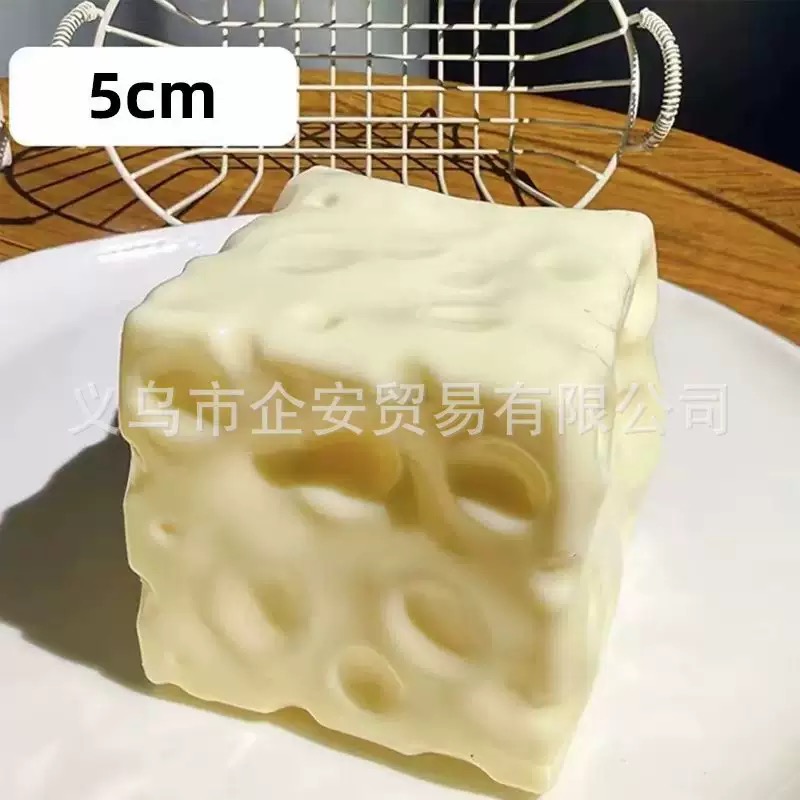
Quiet desk fidgets for autistic adults work best when they stay silent, fit one palm, and leave keyboards clean. Soft squeeze toys keep sound near zero on calls and in shared offices. By contrast, popping mats, snapping tracks, and clicking magnets carry straight into laptop mics. For example, Cream Cheese Squishy (5 cm) sells for $14.99 USD as a cream-yellow cheese block with rounded holes. That compact shape gives you a clear size reference beside a mouse or notebook.
What Makes Fidgets for Autistic Adults Quiet and Discreet at Work?
Discreet fidgets for autistic adults fit in one hand, stay silent, and keep a low profile during calls. According to Williams Psychological Services, adult discreetness depends on size, noise level, and visual profile in meetings or exams. Build quality shows up in whether an item keeps its shape over time. Their ratings mark stress balls and silent rollers as silent. Popping toys rank as loud, while metal sliders and magnetic clickers range from moderate to high noise.
In practice, laptop microphones pick up desk noise faster than expected. For instance, a light snap on magnetic putty or a hinged track sits inches from a built-in mic. As a result, small clicks can sound louder over a headset than speech. Compressing a soft squeeze toy inside a cupped hand creates no mechanical snap. Therefore, starting with a silent squeeze format protects call audio.
Visual footprint matters around coworkers too. In an r/neurodiversity thread, working adults who teach or share offices noted that small rings and pocket tools keep hands busy without pulling focus from students or peers. Similarly, a 5 cm cube stays below a webcam near a trackpad or lap. Still, leaving a bright cheese shape mid-table looks playful, so placement counts.
Quiet Desk Fidget Comparison by Noise and Footprint
Before picking a squeeze toy, compare how five desk categories balance sound, hand footprint, and office trade-offs. The summary below pulls from Williams Psychological Services ratings, Neurodiverse Network sensory notes, and adult Reddit threads so you can filter out loud hardware fast.
| Fidget Format | Acoustic Profile | Desk Footprint | Main Workspace Trade-off |
|---|---|---|---|
| Soft Squeeze Toy (5 cm cube) | Silent compression | Fits one palm | Tacky skins gather desk lint |
| Silent Roller | Silent rotation | Pocket length | Rigid grip has no soft give |
| Putty in Small Tin | Low noise unless snapped | Sealed pocket tin | Can snap or leave hand film |
| Popping Toy | Loud popping sound | Flat mat or puck | Audible pops distract calls |
| Metal Slider or Magnetic Clicker | Moderate to loud clicks | Compact stack | Metallic clicks hit headsets |
How Do Squeeze Toys Compare With Putty Tins and Filled Cubes?
Soft squeeze toys and pocket putty tins are two practical quiet replacements when slime or play dough feels messy on calls. In an r/aspergirls discussion about quiet meeting swaps, commenters favored small tins of silicone therapy putty for easy transport alongside soft stress balls like classic gel stress ball. Because a metal tin shuts tight between meetings, putty travels well in a backpack. Meanwhile, a one-piece squeeze toy needs no lid opening and stays ready under the desk in one hand.
Internal structure also splits squishy fidgets into two durability tiers. According to the Neurodiverse Network sensory guide, solid one-piece squishy balls cannot split open like filled skins under heavy squeezing. By contrast, filled slow-rise options like classic gel stress cube and Gum Drop (under $10 there) offer doughy squish with higher leak risk. Williams Psychological Services also flagged the classic gel stress cube as silent yet poor in durability. Neurodiverse Network noted that filled tubes like GooToobz ($8 to $10) add noise and can pop.
Therefore, grip strength should steer your choice. If you press hard during calls or pinch corners often, a solid body avoids a ruptured outer shell beside a laptop. Conversely, a filled cube fits light palm pressure if you want slow doughy rebound and accept replacing a worn skin sooner.
How Should You Manage Tackiness, Odor, and Desk Holders Around Keyboards?
Keeping a squishy clean near a keyboard comes down to texture, odor tolerance, and a resting dish. In an r/autism thread on non-sticky squishies, autistic adults flagged tacky outer skins, dust pickup, and strong chemical odors as dealbreakers. For example, one commenter said firmer cubes felt less sticky and picked up less lint than softer ones. Another dusted tacky toys with baby powder and washed them now and then. In a follow-up update, one buyer added that a slightly tacky exterior can still leave zero stickiness on fingers.
Because keyboards trap skin oils and dust, resting a squishy on bare wood or a cloth pad speeds up grime. Instead, place a small ceramic dish, silicone coaster, or tin lid beside your monitor. As a result, crumbs and paper dust stay off the grip, and your fingertips stay dry before typing. When packing fidgets for autistic adults for commutes, a zip pouch or hard tin blocks pocket lint.
Cream Cheese Squishy (5 cm): Verified Desk Specs and Fit
Cream Cheese Squishy (5 cm) is a cream-yellow, cheese-shaped non-food squeeze toy with rounded holes. It lists at $14.99 USD on the Cream Cheese Squishy product page. Its published 5 cm block size fits inside one adult palm. In addition, the rounded holes give fingertips natural resting spots below webcam height. For other shapes or desk footprints, browse the Shop catalog before settling on the 5 cm block.
Check published dimensions against your desk tray before buying. A 5 cm block clears shallow drawer trays and sits inside a small coaster beside a mouse pad. Buyers who want a monochrome office tool should note the playful cream-yellow cheese look. Tucking it into a lidded dish handles client rooms well.
Safe Desk Cleaning and Care Checklist for Squishy Fidgets
Safe desk care starts with wiping instead of soaking and air-drying before squeezing again. According to the Ipidipi Toys cleaning guide, foam and gel-style squishies absorb water like sponges if submerged. Wipe them with a well-wrung lukewarm soapy cloth, follow with a clean damp cloth, and air-dry before use. Their guide warns against towel drying tacky skins because fibers cling to them. It also rules out washing machines, dishwashers, hot water, solvents, alcohol wipes, and abrasive scrubbers.
Use this weekly checklist to clean desk squishies without wearing down the surface:
- Check all sides and rounded holes for cracks or tears before wiping.
- Wipe the outside with a wrung-out lukewarm damp cloth and mild soap, then remove soap film with a clean damp cloth.
- Air-dry on a hard plate away from direct heat instead of rubbing with paper towels.
- Wash hands after meals so food oils stay off the grip and keyboard.
- Discard any squeeze toy right away if it tears or leaks.
Frequently Asked Questions
Can you use alcohol wipes or dishwashers on fidgets for autistic adults?
No, keep handheld squeeze fidgets out of kitchen or laundry appliances, heated rinses, chemical removers, scouring pads, and alcohol wipes. Because harsh removers strip finishes and appliance cycles risk splitting seams, Ipidipi Toys recommends hand spot-cleaning with mild dish soap instead.
What should you check before keeping a 5 cm squishy next to a laptop?
Check three basics before placing a 5 cm block near your laptop. Set out a ceramic coaster or tin lid so lint stays off the sides. Confirm the block stays below your webcam frame in one hand, and inspect seams or holes for wear. Because a 5 cm footprint uses minimal tray room, a dedicated holder protects both the toy and the keys.
Are quiet desk fidgets medical or clinical tools for autism?
No, desk squeeze toys are everyday tactile accessories instead of medical or clinical devices. This guide covers workspace noise, palm sizing, holder habits, and cleaning steps only. Anyone seeking clinical sensory or autism advice should talk with a qualified healthcare or occupational therapy professional.